|
|
|
Subscribe
|

|
|
Contact
|

|
|
Fresh perspectives for spring
Spring is in the air, and we’re taking that cue to share a fresh issue of Access Point BCP featuring an exciting way to energize patient care: double red blood cell (DRBC) donation. You’ll learn more about what it is, how it can optimize donor time, and how it can help you maintain a blood supply that reflects the diversity of the communities you serve.
As always, you’ll also find helpful resources and upcoming events. If there are specific topics you want to read about in the future, let us know. This newsletter is designed specifically for blood center professionals like you, and we value your input.
|
|
|
|
Blood donation
Strengthening care through double red blood cell donation
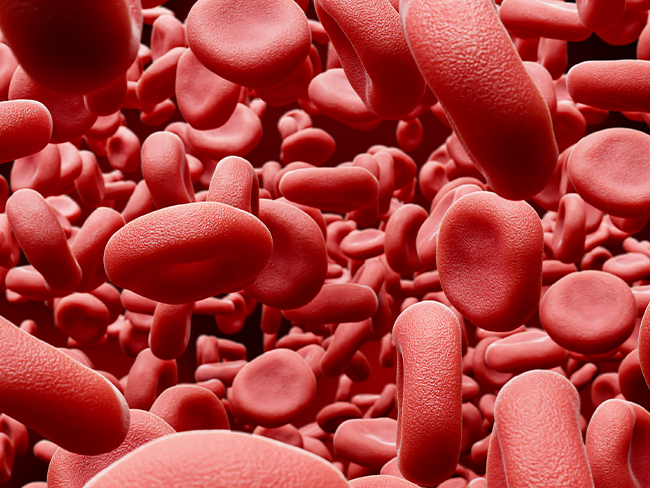
Providing the right blood at the right time can make a life-changing difference for patients who depend on regular transfusions. But meeting the need for rare blood types can be difficult. That makes DRBC donations from people with less common blood types even more important.
|
|
|
|
|
Resource spotlight
|

|
Watch this video from the 2025 AABB Annual Meeting as Terumo Blood and Cell Technologies representatives highlight the lifesaving impact of blood and blood donation and the vital role blood centers play in strengthening communities.
|
|
|
|
Did you know?
Advances in blood collection technology have made donating safer
Research indicates that automated blood collection methods — such as double red blood cell and platelet apheresis — are not only efficient, but are also generally safe for and well-tolerated by most donors.1
|
|
|
|
This finding is reinforced by a long-term study from Switzerland, which followed donors undergoing DRBC apheresis over more than a decade. The study confirmed that serious adverse events were rare and that most reactions were mild. It also revealed that donor decisions to discontinue DRBC were driven mostly by low iron stores and personal choice. This underscores that while DRBC donation is overall safe, long-term donor retention depends on iron monitoring and donor-centered care.1
|
|
|
|
Your questions, answered
Dear Access Point BCP,
I’ve heard of something called a SuperRed donation, but I’m not sure what it is or why our blood center might want to consider adding it to our donation options. Can you explain?
— Sophia from Colorado Springs, CO
|
|
|
|
Hello Sophia,
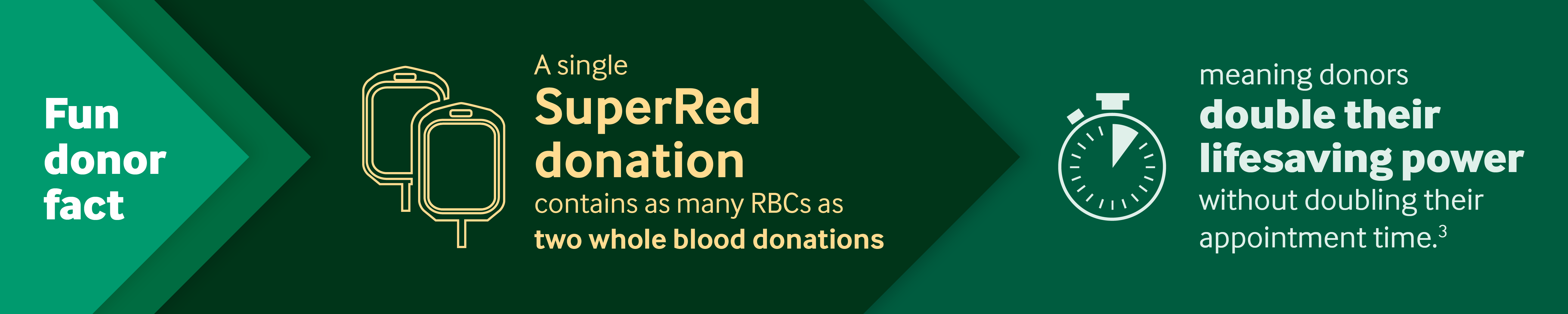
A SuperRed donation is another term for a double red blood cell donation.2 It uses an automated apheresis device to collect two units of red blood cells (RBCs) during one donation and takes as little as 30 minutes.2,3 Other blood components are returned to the donor, along with saline, which may help SuperRed donors feel better after giving compared to whole blood donors.3 To help ensure safety, donors must meet specific height, weight, blood type, and hemoglobin criteria before giving a SuperRed donation.3
Since RBCs are needed in more than 70% of all transfusions, this type of donation is especially valuable for patients experiencing trauma, major surgeries, or significant blood loss.2 It allows donors to make a greater clinical impact in a single visit, offering a streamlined way to support patient care with maximum effectiveness.
SuperRed donations may or not be appropriate for all donor types. Before you make a donation, please make sure you discuss with blood center professionals whether a SuperRed donation is appropriate for you.
|
|
|
|
We will feature a reader question in each issue of Access Point BCP. If you have one, please email it to us along with your first name, hometown, and state or province. Questions not featured will be answered directly via email.
|
|
|
|
|
|
|
|
Live From Lakewood
Breaking Down Platelet Inventory Challenges and Options | May 14, 2026
All Live From Lakewood sessions begin at 12 p.m. MT. Learn more and register to attend any of these live and interactive webinar sessions hosted from our headquarters in Lakewood, Colorado. If you would like to have a specific topic covered in one of these webinars, please send us an email.
|
|
|
|
|
|
You are on the front lines of blood supply management, and we are here to assist.
|
|
|
|
|
|
could help your efforts to manage the critical blood and blood component supply.
|
|
|
|
Information only
Content in Access Point BCP is for informational and educational purposes. It is not medical advice, treatment guidance, legal advice, or reimbursement/regulatory advice.
Product and regulatory notice
Product availability, indications, and regulatory approvals may vary by region. Not all products or features are available everywhere. Always refer to your local Instructions for Use (IFU) and labeling.
Events and resources
Events and educational content may change without notice. Participation does not create any obligation to purchase products or services.
Third‑party links
Links to outside sites are provided for convenience only. Terumo Blood and Cell Technologies does not control or endorse third‑party content or privacy practices.
References
1. Keshelashvili K, O’Meara A, Stern M, et al. Adverse events and retention of donors of double red cell units by apheresis. Blood Transfus. 2016;14(5):391-399. doi:10.2450/2016.0237-15
|
©2026 Terumo BCT, Inc. | All Rights Reserved | GB-TRIM-00254 | TerumoBCT.com
|
|
|
|
|