|
|
|
Subscribe
|

|
|
Contact
|

|
|
Stronger together: Taking on sickle cell disease
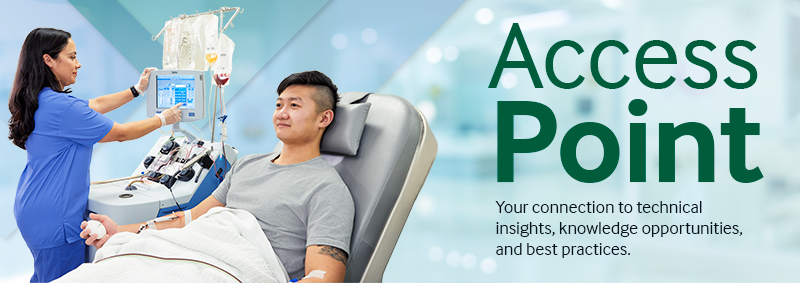
From families helping each other get through daily life to companies and community groups advocating for improved care, tackling sickle cell disease is a team effort. In this issue of Access Point, we share stories illustrating that concept — and showing how, together, we have greater strength to overcome the challenges and build on the opportunities. We found these stories inspiring and hope you do, too.
As always, we are here to help you get the most from your Spectra Optia™ Apheresis System for the transfusion management of sickle cell disease. If there is a specific topic you want to read about, let us know.
|
|
|
|
|
|
|
Family bonds: A sickle cell story
|
|
|
|
If it takes a village to raise a child, it also takes teamwork to take on sickle cell disease (SCD). In this feature, we are excited to share the story of a family managing sickle cell disease in their own lives — and helping others through involvement in a community-based organization.
|
|
|
|
|
|
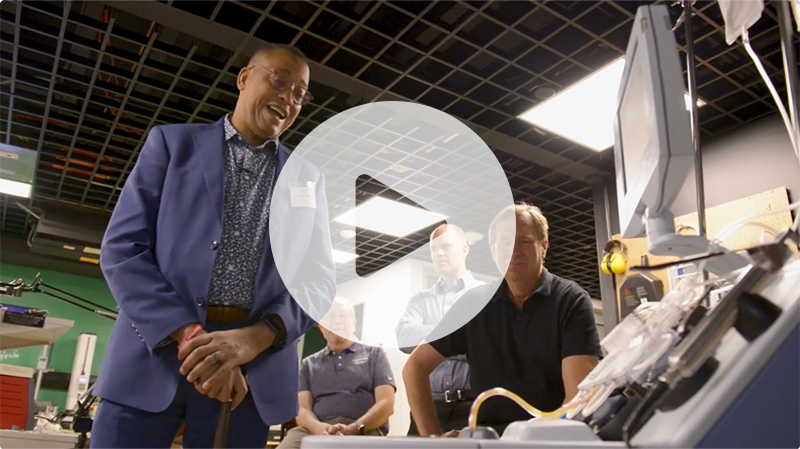
Continue Kevin Wake’s journey, following him step-by-step through an RBCX procedure on Spectra Optia — a treatment that helps manage his sickle cell disease.
|
|
|
|
|
|
Did you know?
Supporting 500,000 people
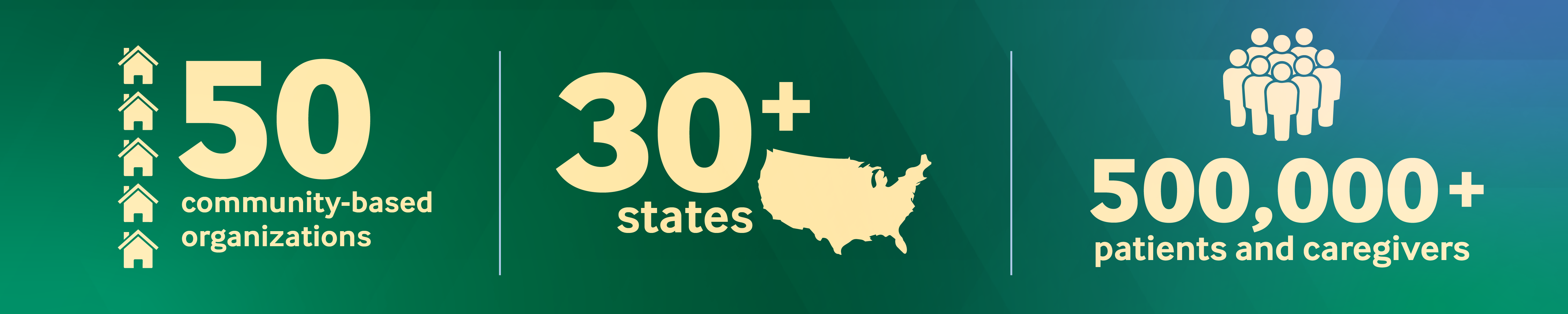
Founded in 1972, the Sickle Cell Disease Association of America, Inc. (SCDAA) works with 50 community-based organizations (CBOs) in more than 30 states to serve more than 500,000 patients with SCD, as well as caregivers.
Together, the SCDAA and CBOs advocate for the sickle cell community and provide resources that help maximize quality of life, raise public consciousness, and advance the search for a cure. One critical point they want providers to know: These patients' pain should be taken seriously, as sickle cell pain crises can be life-threatening, making your intervention vital.
You can learn more about SCDAA, access resources, and find member organizations on the group’s website.
|
|
|
|
Dear Access Point,
The last time my team performed a red blood cell exchange for a patient with sickle cell disease, we got an alarm message that stated, “Current run targets could not be attained with the run value entered.” Can you explain more about when this alarm may occur?
— Jennifer from Denver, Colorado
|
|
|
|
Hello Jennifer,
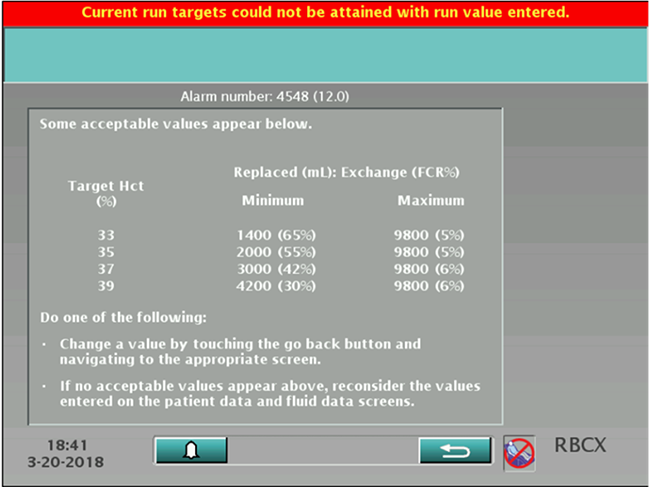
The message you saw is one of the “unattainable procedure alarms” that can occur on Spectra Optia. This particular alarm appears when you enter run targets that the system cannot achieve. The alarm screen will show examples of data combinations that can be attained and instructions for addressing the alarm.
The combinations shown in the example here are based on the entered target hematocrit (Hct).
|
|
|
|
From the alarm screen, you can touch the go back button to return to the run values screen. You can then replace the original, unattainable values with a combination of values from the list shown on the alarm screen.
Note: This alarm may also occur if the fluid balance or Hct of the replacement fluid is not entered correctly. You may want to check those numbers first.
|
|
|
|
Occasionally, this alarm message may be displayed during a run. This is likely to happen only if the original targets were at the limits of what could be accomplished and/or if there was an interruption in the procedure that caused the targets to no longer be attainable. In this case, you can address the alarm by entering new values based on discussion with the physician.
|
|
|
|
If you have a specific question about the Spectra Optia Apheresis System, let us know. We will feature a reader question in each Access Point edition. Be sure to tell us your first name, hometown, and state or province. Questions not featured will be answered directly via email.
|
|
|
|
|
|
|
|
Deadline approaching for Spectra Optia software update
Be sure to schedule your upgrade to Spectra Optia software version 12.1.1 during your next preventive maintenance visit. We recommend that you complete the update by December 31, 2026, to avoid disruptions to your software support. The new software is designed to enhance data management capabilities and improve usability of the system.
|
|
|
|
Seeking young superheroes
Our second annual Pediatric Sickle Cell Disease Art Campaign is now underway and runs through August 15. With a theme of “Courage in color,” the contest invites children with SCD to share their experiences through art — allowing everyone to see the world of SCD through their eyes and capturing their courage as young superheroes. Open this flyer to learn more and see how your young patients can participate.
|
|
|
|
Live From Lakewood
Understanding Manual Rinseback on the Spectra Optia Apheresis System | July 16, 2026
All Live From Lakewood sessions are scheduled for 12 p.m. MT. Learn more and register to attend any of these live and interactive webinar sessions from our headquarters in Lakewood, Colorado. If you would like to have a specific topic covered in one of these webinars, please send us an email.
|
|
|
|
|
|
You are on the front lines of care, and we are here to assist.
|
|
|
|
|
|
|
|
could help you make the most of your Spectra Optia system and your relationship with
Terumo Blood and Cell Technologies to do even more for your patients.
|
|
|
|
Source for “Did You Know”: Welcome to the Sickle Cell Disease Association of America, Inc. SSCDAA. Accessed March 3, 2026. https://sicklecelldisease.org
Source for “Dear Access Point”: Terumo Blood and Cell Technologies. Red Blood Cell Exchange (V12 RBCX) Rx only Procedure Training (including single-needle option). 2021. Part no. TS-OPTI-00799.
Spectra Optia™ is either a registered trademark or trademark of Terumo BCT, Inc. in the United States and/or other countries. See TerumoBCT.com/Trademarks for details.
Intended use
The Spectra Optia Apheresis System, a blood component separator, may be used to perform the following therapeutic apheresis, cell collection, and cell processing procedures*:
◼ Therapeutic plasma exchange
◼ Therapeutic plasma exchange with a secondary plasma device
◼ Red blood cell exchange, depletion, and depletion/exchange
◻ Red blood cell exchange, depletion, and depletion/exchange for the transfusion management of sickle cell disease in adults and children (U.S.)
◼ Mononuclear cell collection from the peripheral blood
◼ Granulocyte collection from the peripheral blood
◼ White blood cell depletion
◻ White blood cell reduction for patients with leukocytosis at risk for leukostasis (U.S.)
◼ Platelet depletion
◼ Processing of harvested bone marrow
◻ Processing of harvested bone marrow for the purpose of facilitating hematopoietic reconstitution (U.S.)
*Procedure availability varies by country.
|
|
|
|
©2026 Terumo BCT, Inc. | All Rights Reserved | TS-OPTI-03065 | TerumoBCT.com
|
|
|
|
|